Metabolic Health · Oral
Metformin
A decades-old, low-cost tablet that improves how your body handles insulin. Modest on its own, useful alongside GLP-1 therapy or for PCOS-driven weight gain.
Already know this is what you want? The second option books the appointment straight away. Not sure yet? See the labs first.
Your consult is free. We will not prescribe this, or anything, before a clinician has spoken with you. Final cost depends on the form and dose prescribed.

Mechanism
Working on insulin, not appetite.
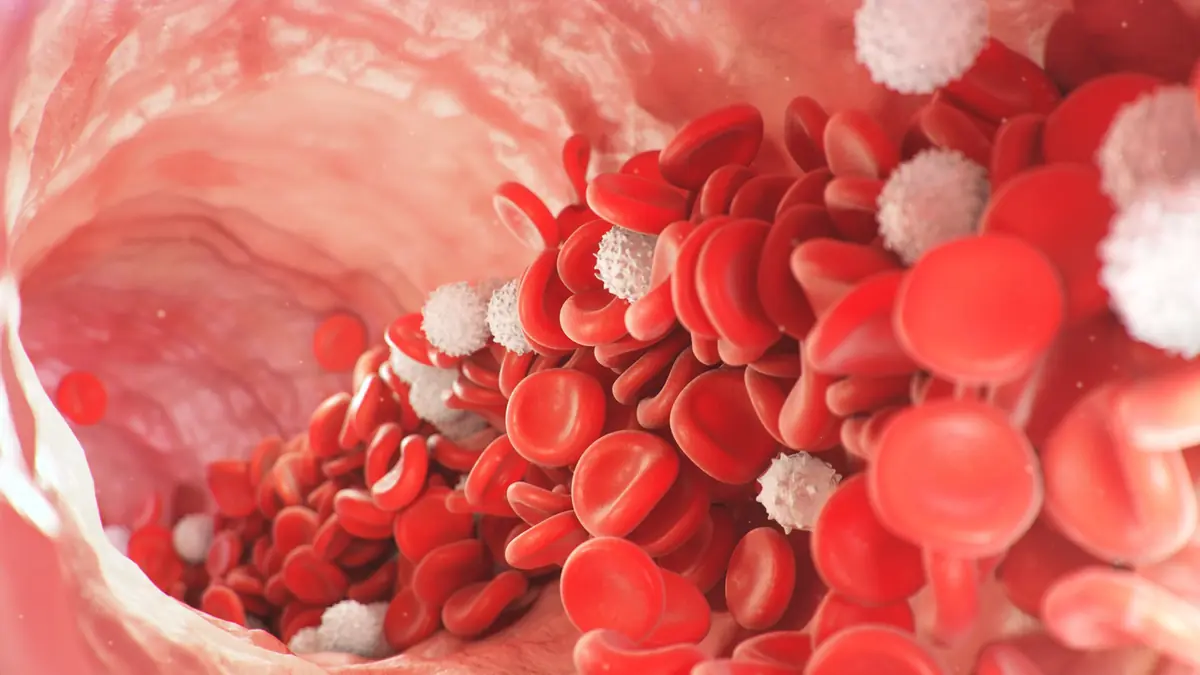
Metformin reduces glucose production in the liver and improves how sensitive your muscle and fat tissue are to insulin. It does not suppress appetite the way a GLP-1 does.
That makes it a different tool rather than a weaker one. For patients whose weight is driven by insulin resistance, including many with PCOS, it addresses the mechanism directly.
It is one of the most studied medications in modern medicine, with decades of safety data and a very low cost.
Protocol
How treatment usually runs.
A typical schedule. Yours is set by your clinician, and adjusted as you go.
| Phase | Weeks | Typical | Purpose |
|---|---|---|---|
| Start | 1–2 | 500 mg once daily with food | Minimises GI upset. |
| Step up | 3–4 | 500 mg twice daily | Standard build. |
| Maintenance | 5+ | 1000–2000 mg daily, divided | Extended-release improves tolerance. |
What to expect
Honestly, over time.
GI adjustment
Loose stools and bloating are common and usually settle.
Metabolic shift
Fasting glucose and energy stability often improve first.
Lab change
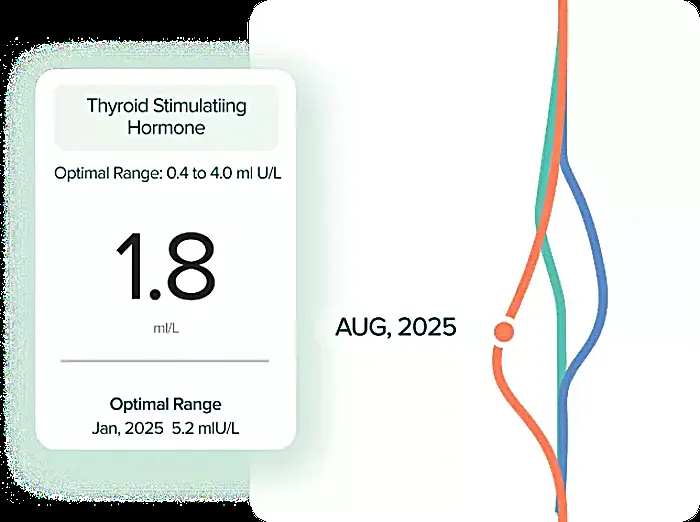
A1c and insulin markers typically move by this point.
Ongoing
Periodic B12 monitoring is standard on long-term therapy.
Evidence
What the research shows.
Metformin produces modest average weight reduction on its own, typically a few percent of body weight, but meaningfully improves insulin sensitivity and A1c.
Its value in a weight program is usually as an adjunct, particularly where insulin resistance or PCOS is part of the picture.
Results vary. Clinical trial results apply only to the FDA-approved branded medication specifically identified and do not apply to compounded medications. All medications must be prescribed by a licensed provider based on medical necessity.
Safety and eligibility
Your consult and labs screen for all of the following.
- Tell your provider about any kidney or liver impairment, metformin is cleared renally.
- Hold before procedures using iodinated contrast dye.
- Long-term use can lower vitamin B12; periodic monitoring is standard.
- Common side effects are diarrhoea, nausea and bloating, usually improved by extended-release forms and taking it with food.
FAQ
Metformin questions.
On its own, modestly, typically a few percent of body weight. Its main benefit is improved insulin sensitivity, which is why it is often prescribed alongside a GLP-1 or for PCOS-related weight gain rather than as a standalone weight drug.
Often yes, and the combination is common. The two work on different mechanisms, insulin sensitivity versus appetite signalling. Your provider decides based on your labs and history.
It changes how the gut handles glucose, which commonly causes loose stools and bloating in the first weeks. Extended-release formulations and taking doses with food substantially reduce this.


We will not prescribe before we understand you.
Book a one-to-one consult with the clinical team. We talk through your goals, order the bloodwork that matters, and build a plan from what we find.