Longevity · Cellular energy
NAD+ Injection
NAD+ is the coenzyme your cells use to turn food into usable energy. Levels fall with age, and injection is the most direct way to raise them.
This is a compounded preparation made by a licensed pharmacy. It is not FDA-approved, and it is prescribed only when a licensed provider determines it is appropriate for you.
Already know this is what you want? The second option books the appointment straight away. Not sure yet? See the labs first.
Your consult is free. We will not prescribe this, or anything, before a clinician has spoken with you. Final cost depends on the form and dose prescribed.
Mechanism
The cell's energy currency.
Nicotinamide adenine dinucleotide sits at the center of mitochondrial energy production and DNA repair. Concentrations decline substantially with age.
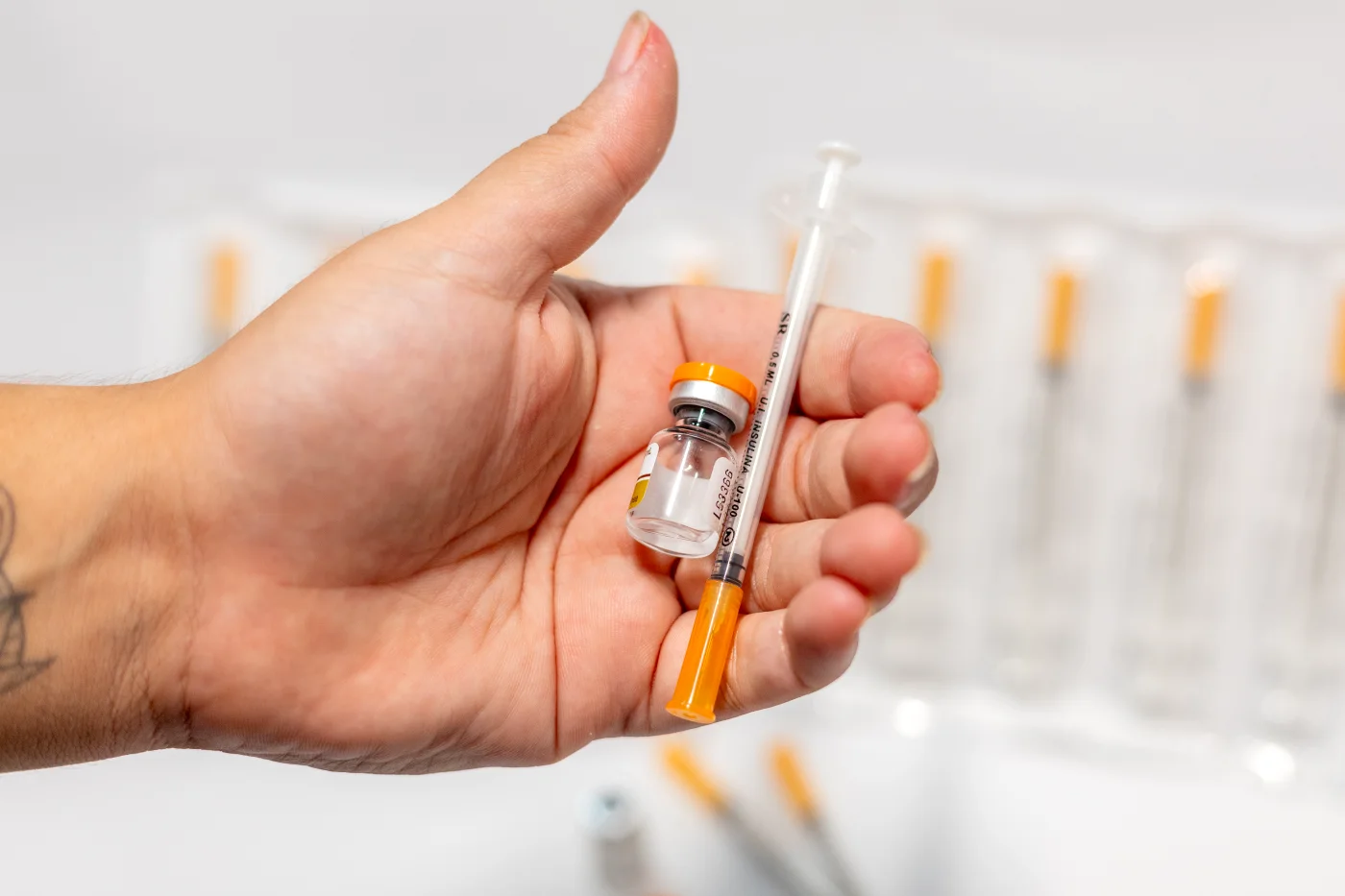
Subcutaneous injection bypasses digestion, which is the main argument for it over oral precursors, bioavailability is far higher.
Human outcome data is still early. Patients commonly report improved energy and mental clarity; the long-term anti-ageing claims made across this category run well ahead of the evidence.

Protocol
How treatment usually runs.
A typical schedule. Yours is set by your clinician, and adjusted as you go.
| Phase | Weeks | Typical | Purpose |
|---|---|---|---|
| Start | 1–2 | Low dose, twice weekly | Assesses tolerance, flushing is common. |
| Build | 3–6 | Increased per response | Frequency adjusted by your provider. |
| Maintenance | 7+ | Weekly or twice weekly | Lowest effective frequency. |
What to expect
Honestly, over time.
Injection-site reaction
Flushing and warmth are common and expected.
Energy
Most patients who respond notice it here.
Clarity and sleep
Reported improvements in focus and sleep quality.
Honest reassessment
If you notice nothing by month three, we say so.
Evidence
What the research shows.
NAD+ decline with age is well documented. Whether supplementation reverses age-related dysfunction in humans is not yet established.
Most supporting data is preclinical or from small studies. Reported benefits are largely subjective. We will not claim more than that.
Results vary. Clinical trial results apply only to the FDA-approved branded medication specifically identified and do not apply to compounded medications. All medications must be prescribed by a licensed provider based on medical necessity.
Safety and eligibility
Your consult and labs screen for all of the following.
- Common effects include flushing, warmth, chest tightness and nausea during or shortly after dosing, usually rate-related.
- Tell your provider about cardiovascular disease or uncontrolled blood pressure.
- Not recommended during pregnancy or breastfeeding.
- Not FDA-approved for this use, prescribed at your provider's discretion.
FAQ
NAD+ Injection questions.
NAD+ is a coenzyme central to mitochondrial energy production and DNA repair. Levels decline with age. Supplementation aims to restore them, though whether that reverses age-related dysfunction in humans is not yet established.
Injection delivers higher bioavailability and is the more common choice for a loading protocol. Nasal spray is more convenient for maintenance and needle-averse patients. Many patients use both.
Flushing, warmth and chest tightness during dosing are common and generally relate to how fast it is administered. Slowing the injection usually reduces it substantially.


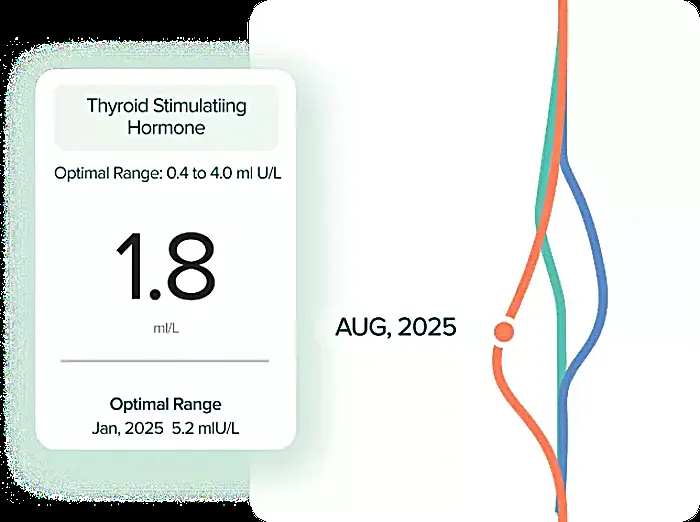
We will not prescribe before we understand you.
Book a one-to-one consult with the clinical team. We talk through your goals, order the bloodwork that matters, and build a plan from what we find.