Skin & Dermatology · Topical
Radiance Acne Cream
An acne formula combining azelaic acid, clindamycin, tranexamic acid and tretinoin, for active breakouts and the dark marks they leave behind.
This is a compounded preparation made by a licensed pharmacy. It is not FDA-approved, and it is prescribed only when a licensed provider determines it is appropriate for you.
Already know this is what you want? The second option books the appointment straight away. Not sure yet? See the labs first.
Your consult is free. We will not prescribe this, or anything, before a clinician has spoken with you. Final cost depends on the form and dose prescribed.
Mechanism
Treating breakouts and what they leave behind.
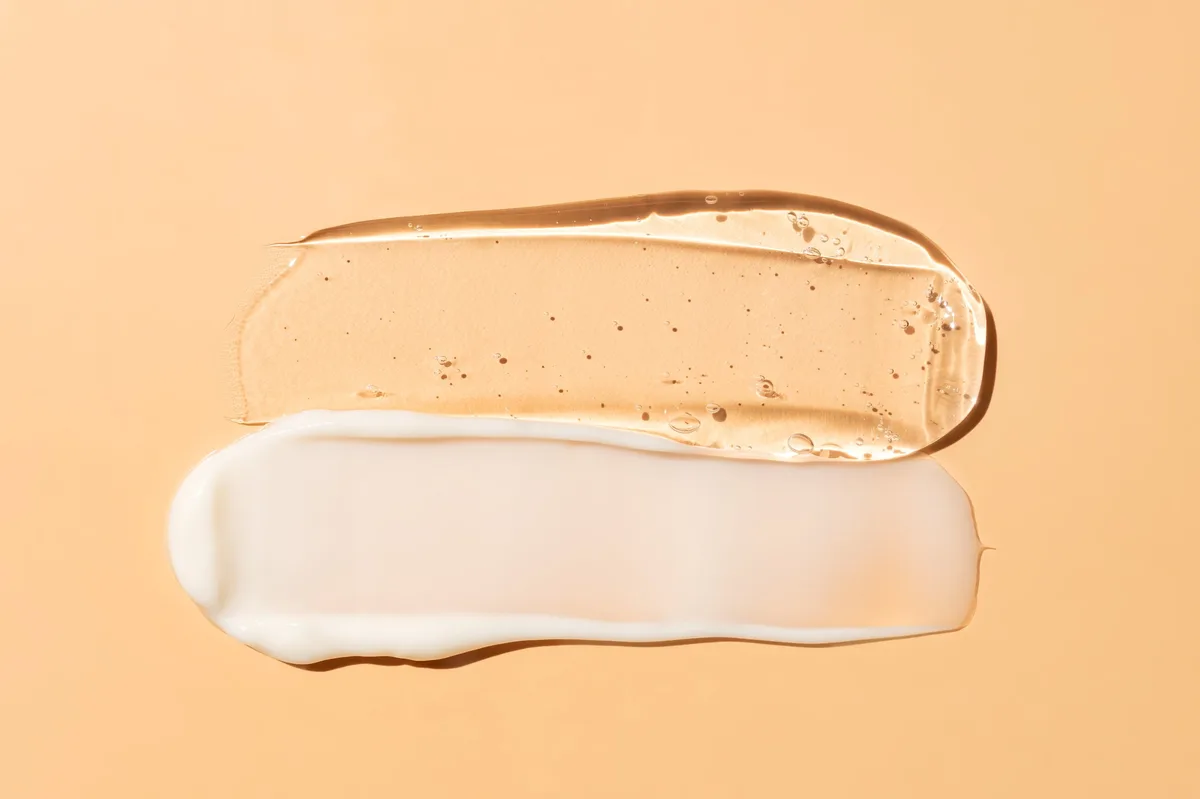
Clindamycin is a topical antibiotic that targets the bacteria involved in acne, and tretinoin normalizes follicular shedding so pores are less likely to clog in the first place.
Azelaic acid adds antibacterial and anti-inflammatory activity and helps fade post-acne marks, and tranexamic acid, more commonly known for pigment and melasma, is included specifically to help fade the dark marks breakouts leave behind.
Because it combines an antibiotic with a retinoid, this formula addresses both active breakouts and the discoloration that follows them, rather than treating either in isolation.
Safety and eligibility
Your consult and labs screen for all of the following.
- Pregnancy warning, Not for use during pregnancy, or if you are trying to become pregnant.
- Initial irritation, dryness, peeling or redness is common in the first few weeks as skin adjusts to tretinoin.
- Antibiotic resistance, use exactly as directed; stopping and restarting on your own can contribute to resistance.
- Sun sensitivity, use daily sunscreen, treated skin is more sensitive to sun exposure.
FAQ
Radiance Acne Cream questions.
It targets active breakouts and post-inflammatory dark marks; textured scarring usually needs a separate in-office treatment.
Ask your clinician first, benzoyl peroxide can reduce clindamycin's effectiveness when combined.
Most patients see fewer active breakouts within four to eight weeks.
Discoloration typically takes longer than active acne, often eight to twelve weeks or more.



We will not prescribe before we understand you.
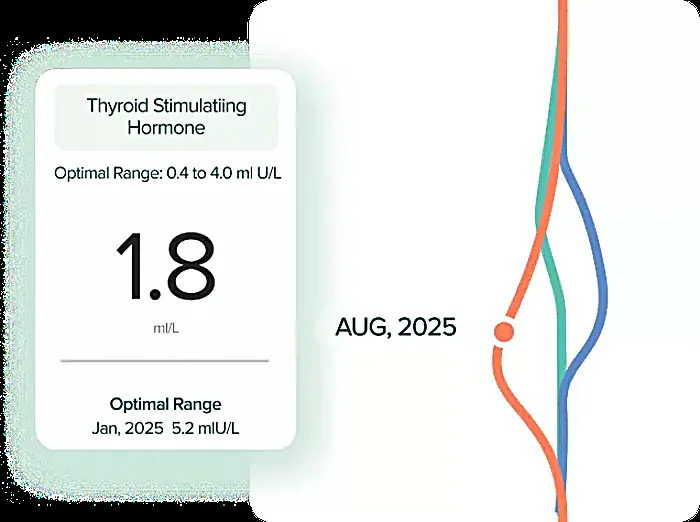
Book a one-to-one consult with the clinical team. We talk through your goals, order the bloodwork that matters, and build a plan from what we find.